The Ripple Effects of Poor Waste Disposal on Nature's Cycle
In recent years, the impact of inadequate waste management has become a pivotal environmental concern. The improper disposal of waste has led to a cascade of consequences that disturb various natural processes. This article delves into the ripple effects of poor waste disposal on nature's intricate cycles, highlighting the importance of sustainable practices.
The Basics of Waste Disposal
Understanding the consequences of poor waste disposal begins with grasping the fundamentals of waste management. Waste disposal encompasses the collection, transportation, and disposal of garbage and other waste products. Effective waste management aims to reduce the impact of waste on the environment, human health, and aesthetics.
Tackling the Types of Waste
- Solid Waste: Includes everyday items like food wrappers, bottles, and household garbage.
- Liquid Waste: Comprises liquids discarded from households and industries.
- Organic Waste: Consists of biodegradable substances like food scraps and yard cuttings.
- Hazardous Waste: Contains toxic substances that require special disposal measures.
Common Ineffective Practices in Waste Disposal
Poor waste disposal practices can be attributed to several factors, each leading to specific environmental outcomes:
- Illegal Dumping: Discarding waste in unauthorized areas affects soil and water quality.
- Open Burning: Releases toxic fumes into the atmosphere, contributing to air pollution.
- Inadequate Landfills: Overcrowded or improperly lined landfills can leach pollutants into the ground.
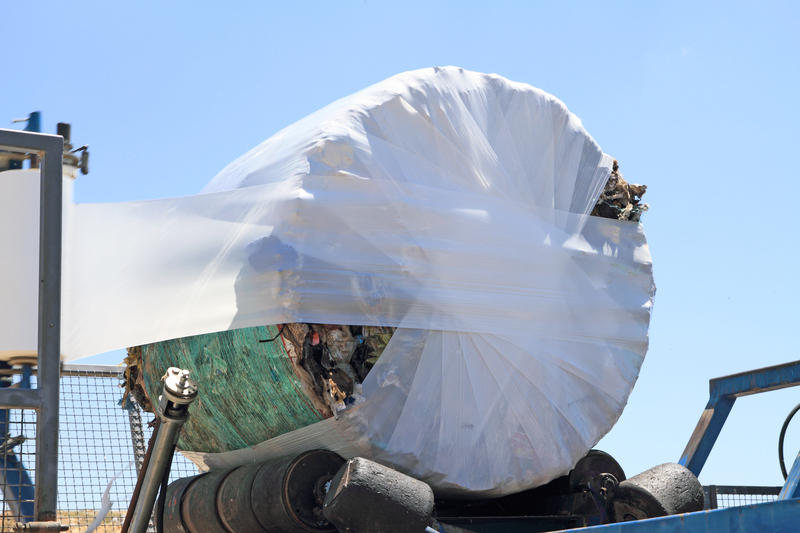
Nature's Cycle Disrupted
The impact of improper waste disposal has far-reaching implications on nature's cycles, which sustain the balance of ecosystems and life on Earth. Below, we explore these disruptions in detail.
The Water Cycle Suffers the Most
- Water Contamination: When waste is not managed properly, it often ends up in water bodies. Hazardous chemicals and non-biodegradable waste products infiltrate water systems, adversely affecting marine and freshwater ecosystems.
- River and Ocean Pollution: Streams and rivers are conduits for waste carried from landfills or dumped directly. This pollution threatens aquatic life forms, altering food chains and reducing biodiversity.
Proper waste disposal is critical in maintaining a clean and safe water cycle, essential for all living organisms.
The Carbon Cycle and Climate Change
Improper waste disposal contributes to climate change by altering the natural carbon cycle:
- Greenhouse Gas Emissions: Landfills emit methane, a potent greenhouse gas. Insufficiently managed organic waste decomposition contributes significantly to global warming.
- Increased Carbon Footprint: Waste transportation and equipment used in improper waste management processes also add to carbon emissions.
Soil Degradation and its Impacts
The role of soil in nature's cycle is quintessential, yet poor waste management practices can degrade its quality:
- Soil Contamination: When hazardous waste is improperly disposed of, it seeps into the ground, contaminating the soil and affecting agricultural productivity.
- Loss of Fertility: Non-biodegradable wastes disrupt soil structure and microbial activities, leading to barren lands over time.
The Biodiversity Battle
Biodiversity--the variety of life on Earth--is directly affected by waste disposal practices:
- Habitats Destruction: Dumping waste in natural habitats leads to physical and chemical changes that are often fatal to resident flora and fauna.
- Introduction of Invasive Species: Waste can often transport foreign species to new ecosystems, where they outcompete native species, altering ecological balance.

Solutions and Sustainable Practices
While the consequences are significant, the solutions are within reach. Sustainable waste management practices can mitigate these adverse effects:
Efficient Waste Reduction Strategies
Mitigation begins with the reduction of waste at its source. Simple strategies in daily life can make a profound difference:
- Recycling and Reusing: Encourage recycling initiatives and repurposing materials to minimize waste output.
- Composting: Promoting composting helps reduce organic waste and enriches soil health.
- Bulk Buying: Reduces packaging waste significantly.
Policy and Education: The Need for Strong Actions
Governments and communities play pivotal roles in ensuring effective waste management:
- Implementation of stringent waste management policies that enforce rules on industrial and domestic waste disposal.
- Awareness and education campaigns aimed at highlighting the importance of proper waste management practices.
Conclusion: The Call to Action
Addressing the negative effects of poor waste disposal on nature's cycles is not only an environmental duty but a critical step towards sustaining life on Earth. By adopting sustainable waste management practices and fostering global awareness, we can shield our planet's precious cycles from further disruption, ensuring a healthier environment for future generations.
The ripple effects of irresponsible waste disposal are profound and long-lasting. Therefore, it is imperative that individuals, communities, and governments cooperate to foster an ecosystem where waste is managed efficiently, starting now for a sustainable tomorrow.