Unlocking the Hidden Value in Wood Waste
As the world shifts towards more sustainable practices, wood waste management is transforming from an environmental challenge into a lucrative opportunity. The ability to unlock the hidden value in wood waste is not just a matter of environmental responsibility, but also a potential economic boon. This article delves into how companies and individuals can effectively transform wood waste into valuable resources.
Understanding Wood Waste
Before exploring ways to capitalize on wood waste, it's important to comprehend what it encompasses. Wood waste includes any surplus material from forestry operations, urban tree management, and wood product manufacturing, such as:
- Sawdust
- Wood chips
- Bark
- Lumber trimmings
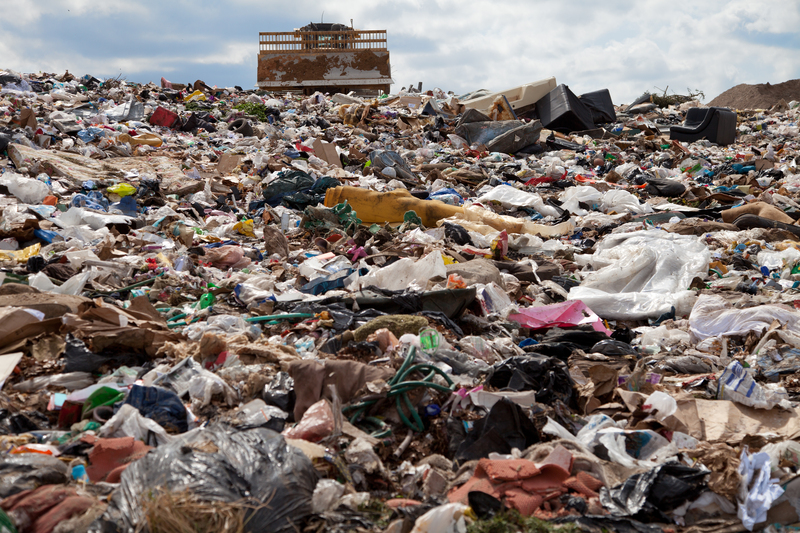
Traditionally, much of this valuable wood material has ended up in landfills, which contributes to environmental degradation and overlooks potential uses.

Environmental Impact of Wood Waste
The improper disposal of wood waste significantly impacts the environment. As this material decomposes in landfills, it releases methane--a potent greenhouse gas--contributing to climate change. Reducing the ecological footprint of the forestry industry requires innovative solutions to manage this waste more sustainably.
The Push for Sustainable Solutions
With global efforts to combat climate change, there's an increasing demand for sustainable alternatives that minimize the negative environmental impact of wood waste. Companies are now embracing strategies that transform waste into productive resources.
Wood Waste Management: Turning Waste into Wealth
Effective wood waste management can play a crucial role in economic development. By converting wood waste into a valuable commodity, businesses can open up new revenue streams. Here's how:
Bioenergy Production
Wood waste can be converted into bioenergy, a renewable energy source that offers a sustainable alternative to fossil fuels. The process involves:
- Combustion - Burning wood waste directly for heat or electricity.
- Gasification - Converting wood waste into synthetic gas (syngas) that can be burned for electricity or processed into biofuels.
- Pyrolysis - Heating wood waste in the absence of oxygen to produce bio-oil, which can be refined into biofuels.
Utilizing wood waste for bioenergy not only reduces landfill waste but also helps offset carbon emissions.
Wood Waste for Building Materials
Another avenue to explore is the use of wood waste in manufacturing construction materials. Innovators are creating sustainable building products by using techniques such as:
- Producing composite wood products or panels such as particleboard or fiberboard
- Manufacturing engineered wood beams and trusses
- Creating decorative bark and chanter material for indoor and outdoor design
These materials provide durable, eco-friendly alternatives for the construction industry, dramatically reducing the need for virgin timber.
Biodegradable and Compostable Products
In a zero-waste economy, biodegradable products are increasingly sought after. Wood waste can be transformed into compost, biochar (used to improve soil quality), or mulch. These products contribute to sustainable agriculture and gardening practices, closing the loop on waste.
Innovative Uses of Wood Waste
Beyond the energy and construction industries, there's a plethora of innovative uses for wood waste emerging, thanks to cutting-edge technology and creative thinking:
Textile Industry
Researchers have developed ways to convert wood waste into cellulose fibers suitable for textiles. These fibers can be utilized to manufacture clothing and fabrics, introducing a sustainable edge to the fashion industry.
3D Printing Materials
With the rise of 3D printing, wood waste can be processed into a filament used for printing. This opens new doors for eco-friendly and affordable products in the realm of crafting, prototyping, and manufacturing.
Chemicals and Extracts
From essential oils to antioxidants, wood waste harbors compounds that industries can extract and utilize. These extracts are invaluable to sectors such as pharmaceuticals, cosmetics, and food additives.
Future Outlook for Wood Waste Utilization
The current momentum towards sustainable practices is expected to continue and grow, leading to even more inventive uses for wood waste in various sectors. As technology evolves, so too will the opportunities for sustainable transformation of waste material into valuable products.
Challenges to Overcome
While the opportunities are promising, challenges remain. Scaling these solutions to meet industrial demands, maintaining efficiency, managing costs, and ensuring quality require strategic collaboration and investment in research and development.
Conclusion: A Call to Action
Unlocking the hidden value in wood waste is a key component of a sustainable future. By addressing the environmental concerns associated with wood waste and embracing innovative uses, companies and communities can reap economic benefits while minimizing ecological impacts. It's imperative to continue exploring new technologies and strategies, bringing together stakeholders across industries to propel this movement forward.
Through dedication and innovation, we can truly harness the untapped potential of wood waste, contributing to a greener, more sustainable planet.